If you walk through any grocery store in North America or Europe today, you will notice something shifting on the labels. “No MSG added” and “naturally flavored” are no longer niche claims — they are mainstream expectations. Consumer surveys consistently show that over 60% of shoppers prefer products with recognizable, natural ingredients over synthetic additives.
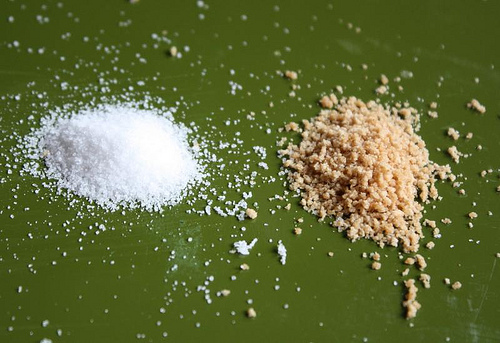
Mushroom extract offers a way out of that bind. It delivers the same deep, savory taste that monosodium glutamate (MSG) provides, but the ingredient line reads simply: “shiitake mushroom extract” or “natural mushroom powder.” No chemical names. No consumer skepticism. Just clean, honest flavor. It has become an increasingly popular natural alternative to MSG because it delivers a rich umami flavor while also providing naturally occurring bioactive compounds.
Here’s why mushroom extract is an ideal alternative to MSG.
What Makes Mushrooms So Good at Enhancing Flavor?
Mushrooms are born with the exact compounds that make food taste savory. Three naturally occurring molecules do the heavy lifting:
- Free glutamate — the same amino acid that gives MSG its punch. Shiitake mushrooms contain roughly 1,060 mg of free glutamate per 100 g of dried material, which is among the highest levels found in any natural food.
- 5′-GMP (guanylic acid) — a nucleotide that amplifies glutamate’s effect. Dried shiitake contains approximately 150 mg of 5′-GMP per 100 g, making it one of the richest natural sources of this compound.
- 5′-IMP (inosinic acid) — another nucleotide that works the same way. Present in smaller amounts in mushrooms, but still contributes to the overall synergy.
Here is the part that matters most for formulation: glutamate on its own gives you umami. But glutamate paired with GMP or IMP gives you much more umami. This is called the umami synergy effect. The combined taste intensity can reach up to eight times what glutamate delivers alone, depending on the ratio. That means a small dose of mushroom extract can produce a big shift in flavor.
The Science Behind Mushroom Umami
This is not just industry marketing. The research has been building for years, and recent studies are adding weight.
Umami Peptides with Lower Thresholds Than MSG
A 2025 review published in Critical Reviews in Food Science and Nutrition cataloged 155 umami peptides identified across edible mushroom species. The striking finding: 55.66% of those peptides had taste thresholds lower than MSG. That means they are perceived as savory at smaller concentrations — a practical advantage for food formulators who want maximum flavor with minimum dosage.
Shiitake Extract Matches MSG in Food Trials
A study published in LWT — Food Science and Technology (2021) developed a dry umami ingredient from shiitake mushroom stipes — the tough stems that are normally discarded during processing. When this extract was applied to low-sodium corn snacks, it performed comparably to MSG on seasoning flavor, salty perception, and overall umami intensity. The study confirmed that shiitake byproduct extract is a viable, natural replacement for MSG in reduced-sodium products.
Why Food Brands Are Switching from MSG to Mushroom Extract
Clean Label Compliance
“Mushroom extract” or “shiitake powder” is a label ingredient most consumers recognize and accept. “Monosodium glutamate” is not. In markets such as the UK, Germany, and Scandinavia, clean label positioning has shifted from optional to nearly mandatory for premium products. Mushroom extract lets formulators deliver umami without sacrificing label transparency.
Sodium Reduction
Umami and saltiness share a neurological connection: the perception of savory flavor is amplified by salt. This is well documented. In practice, adding mushroom extract at 0.15–0.30% of final product weight can reduce sodium content by up to 50% while maintaining the same perceived saltiness. Scelta Mushrooms, a Netherlands-based supplier, has commercialized this approach with their Taste Accelerator (STA) product line, achieving verified sodium reductions in soups, sauces, and breads.
Naturally Rich in Umami Compounds
Unlike purified MSG, which provides primarily one-dimensional umami, mushroom extracts contribute a more complex taste profile and are often perceived by consumers as a clean-label ingredient. It gives you a sharp umami spike and not much else. Mushroom extract delivers a layered flavor profile — initial savory impact, followed by earthy, roasted, or meaty notes that linger. This depth matters in products like soups, sauces, and plant-based meat alternatives, where a flat, one-dimensional taste is a common failure point.
Excellent Synergy with Other Natural Ingredients
Mushroom extract works exceptionally well alongside: yeast extract, tomato concentrate, onion powder
garlic powder, seaweed extract, fermented soy sauce and vegetable concentrates. These combinations can create powerful umami while maintaining a natural ingredient declaration.
Mushroom Extract vs. MSG
| Feature | Mushroom Extract | MSG |
|---|---|---|
| Source | Natural edible mushrooms | Fermented glutamic acid, purified into monosodium glutamate |
| Flavor profile | Complex, earthy, savory | Primarily umami |
| Clean-label appeal | Excellent | Moderate |
| Natural nucleotides (5′-GMP, 5′-IMP) | Yes | No |
| Sodium contribution | Often lower, depending on formulation | About 12% sodium by weight |
| Additional bioactive compounds | May contain beta-glucans, antioxidants, and other mushroom constituents | None |
| Suitable for plant-based foods | Excellent | Good |
Which Mushroom Species For Food Flavor?
Mushroom extract is produced by extracting the water-soluble compounds from edible mushrooms such as:
Shiitake (Lentinula edodes)
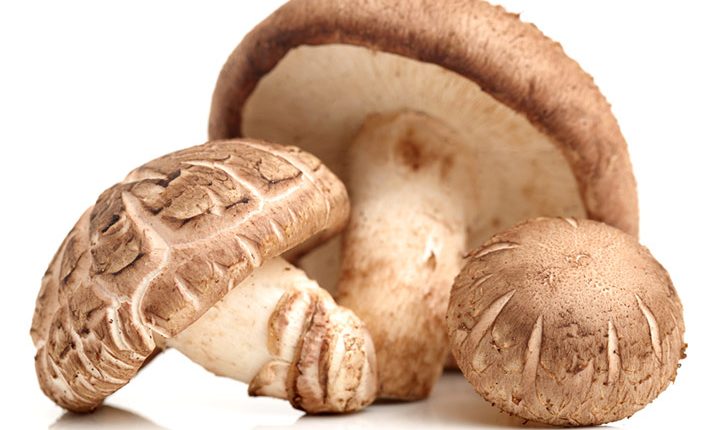 (Lentinula edodes)
Dried shiitake contains the highest levels of both free glutamate (~1,060 mg/100 g) and 5′-GMP (~150 mg/100 g) among commonly cultivated mushrooms. This double concentration makes shiitake extract the most efficient single-source umami enhancer available. It is also the species with the most published research backing its use in food.
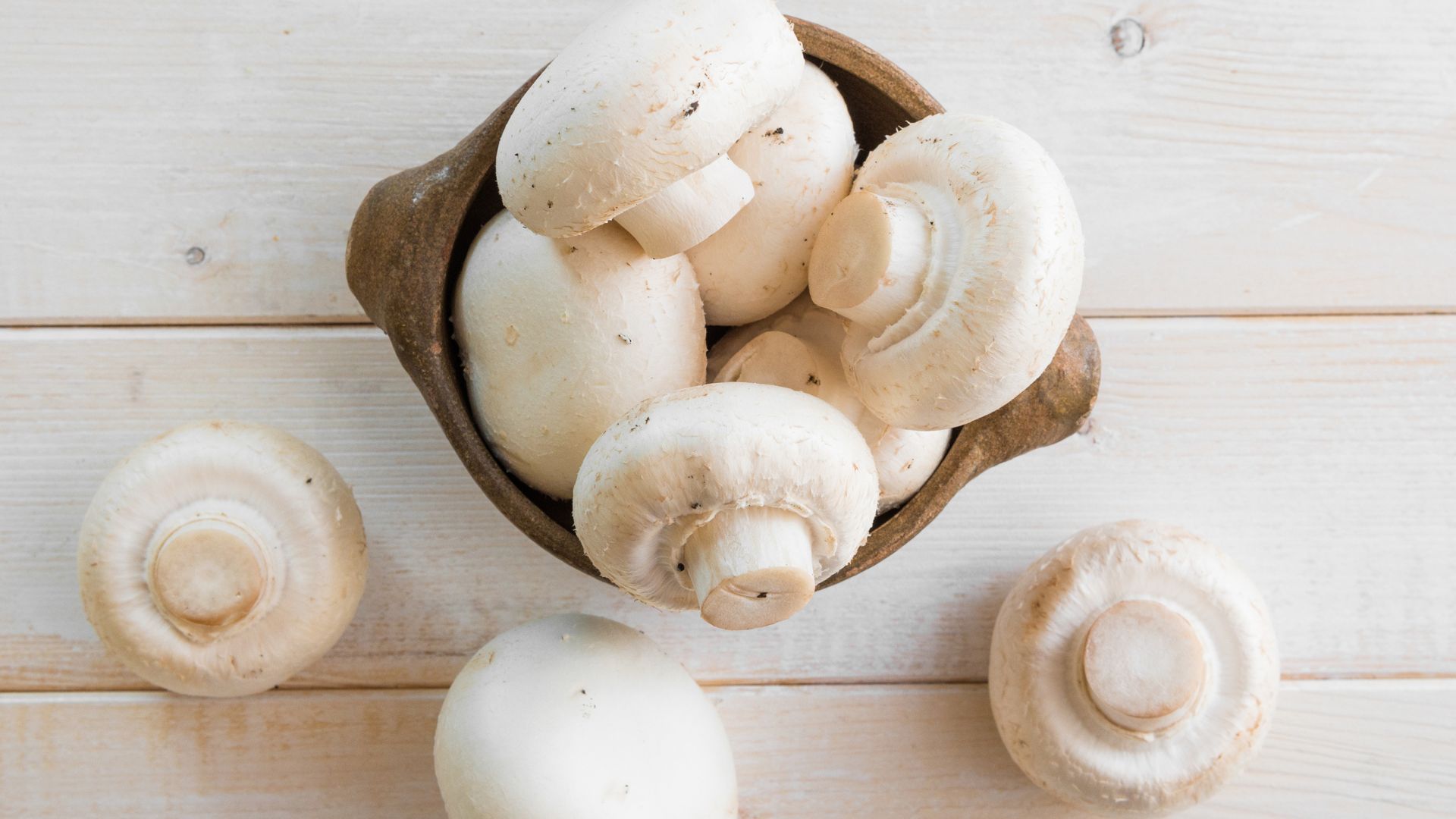
Lower in nucleotides than shiitake, but widely available and cost-effective. The Netherlands-based company Scelta Mushrooms uses white button mushroom stems and blanching water as their raw material, turning a processing byproduct into a commercial taste accelerator. This circular-economy angle is an added sustainability story for brands.
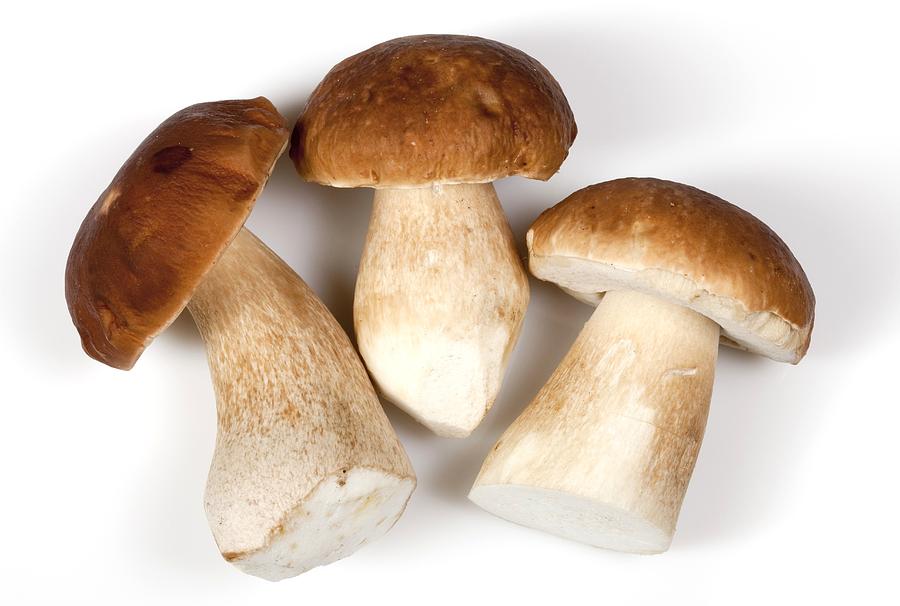
Porcini delivers deep, nutty, forest-floor flavor alongside its umami contribution. Best suited for sauces, risottos, and specialty seasonings where flavor complexity is the selling point.
Maitake offers a balanced savory profile with mild sweetness. Lion’s Mane contributes unique aromatic notes alongside its umami content. Both are gaining attention as “next-generation” flavor ingredients, particularly in the functional food space where taste and health claims intersect.
Applications in Food Products
Mushroom extract is already working across a wide range of product categories. Here is where it shows up today:
Soups Bases
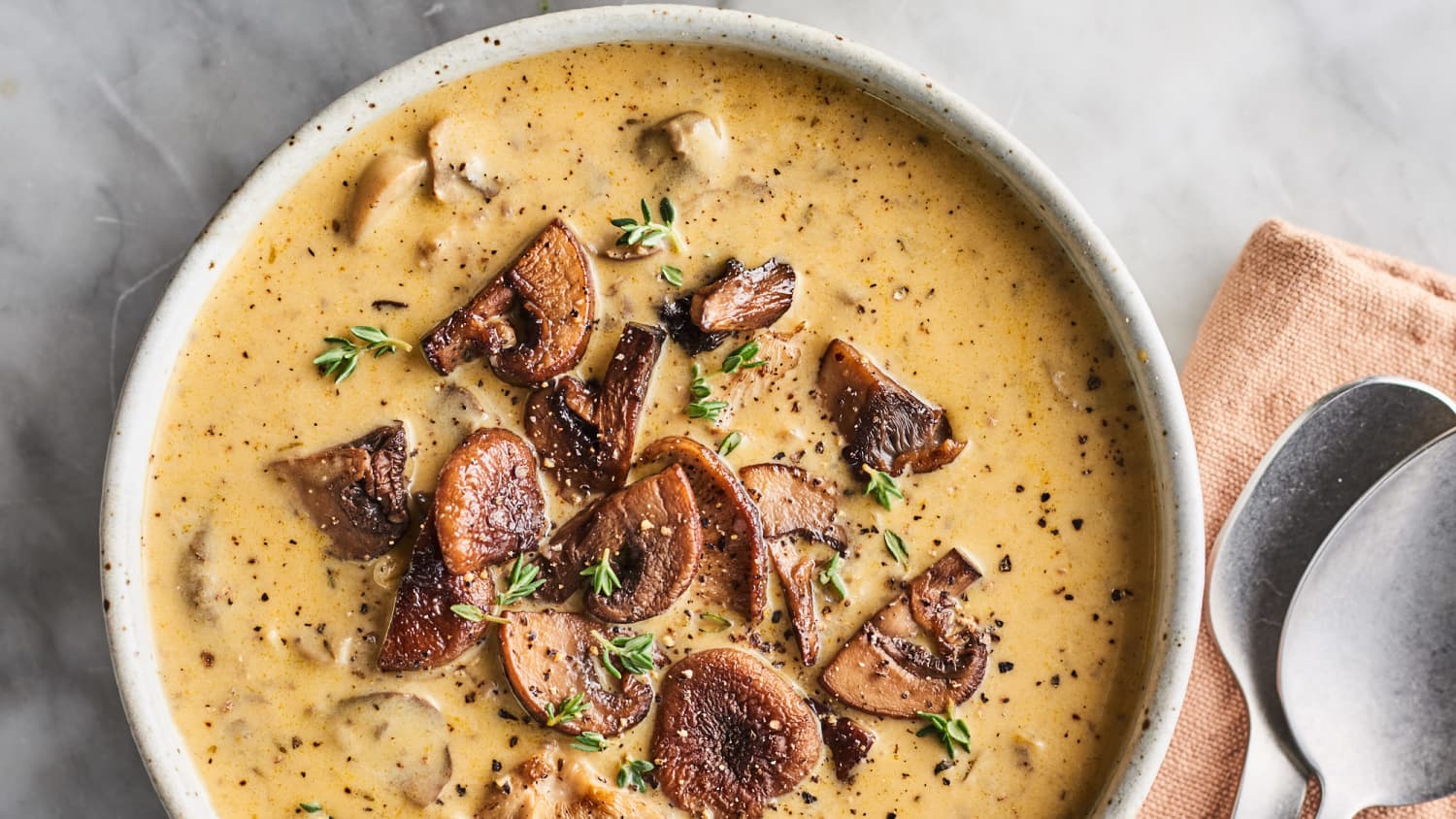
Soups are the most straightforward application for mushroom extract MSG. A 0.2% addition of shiitake extract powder can replace MSG entirely in instant soup bases while adding a richer, more authentic broth character. Multiple commercial soup brands in Europe have already made this switch.
Sauces and Condiments
BBQ sauces, pasta sauces, soy sauce alternatives, and salad dressings all benefit from the depth that mushroom extract provides. The nucleotide synergy also helps mask metallic or bitter off-notes that appear in reduced-sodium formulations.
Plant-Based Meat Alternatives
This is one of the fastest-growing use cases. Plant-based burgers, sausages, and nuggets need savory depth to compensate for the absence of animal fat and protein. Mushroom extract adds both umami intensity and the meaty aroma notes that pea and soy proteins lack on their own.
Snacks and Seasonings
Chip coatings, nut seasonings, and savory biscuit blends all use mushroom extract as a clean-label flavor base. The 2021 shiitake byproduct study specifically tested the extract on corn extruded snacks and found equivalent performance to MSG.
Bread and Bakery
A less obvious but effective application. Adding mushroom extract at 0.15–0.30% to bread dough amplifies salt perception, allowing formulators to cut sodium by 30–50% without the bread tasting flat.
Conclusion
Mushroom extract is an ideal alternative to MSG: It provides naturally occurring umami compounds, a richer and more complex flavor profile, and strong clean-label appeal. Beyond enhancing taste, it supports sodium reduction strategies and aligns with the growing demand for natural, plant-based ingredients. For food manufacturers developing soups, seasonings, sauces, snacks, or meat alternatives, mushroom extract offers an effective way to deliver savory flavor while meeting evolving consumer preferences.
Ready to Source Mushroom Extract for Your Next Product?
Xi’an Rainbow Biotech Co., Ltd supplies standardized shiitake, maitake, lion’s mane, and reishi extracts — with full COA documentation, EU/USA Orgnic certification, and bulk capacity of 2,500+ metric tons per year.
References
- Zhang, J. et al. (2025). “Advances in Edible Mushroom-Derived Umami Peptides: Identification, Mechanisms, and Applications.” Critical Reviews in Food Science and Nutrition. 55.66% of 155 identified umami peptides showed lower taste thresholds than MSG.
- Moura, M.R. et al. (2021). “Umami Ingredient: A Newly Developed Flavor Enhancer from Shiitake Byproducts in Low-Sodium Products.” LWT — Food Science and Technology, 140, 110812.
- Scelta Mushrooms (Belfeld, Netherlands). Scelta Taste Accelerator (STA) product technical documentation. Verified sodium reduction of up to 50% at 0.15–0.30% inclusion. sceltamushrooms.com
- Dried shiitake glutamate and 5′-GMP composition data: Sugimoto Co. technical reference, “Natural Umami Booster — Dried Shiitake.” sugimoto.co
- Botaniex (2026). “Building Natural Umami Systems for Clean Label and Advanced Savory Formulation.” Comparative analysis of MSG vs. natural umami systems.

- What Is AHCC and Is It Good for HPV? - August 14, 2026
- Duanwood vs. Bag vs. Liquid Fermentation: How Ganoderma lucidum Cultivation Methods Affect Its Active Compounds - July 27, 2026
- Lion’s Mane Extract 8:1: Why Does the Ratio Matter? - July 17, 2026


