
Congratulations! You have realized that quitting smoking is a monumental achievement you can make for your health when you open this page, but the journey is often paved with challenging withdrawal symptoms: cravings, anxiety, poor focus, sleep disturbances, and low mood. While willpower and modern cessation methods are the cornerstone of success, nature offers a gentle, supportive hand. Many herbs are rich in antioxidants or adaptogens that restore balance disrupted by years of smoking, and can help soothe the anxiety, irritability, and restlessness that accompany nicotine withdrawal. In this guide, we explore the best herbal allies to complement your quitting strategy, promoting calm and resilience as you reclaim your health.
Top Herbs for Managing Tobacco Cravings and Withdrawal
Lobelia (Lobelia inflata)

Traditionally called “Indian tobacco,” Lobelia works as an agonist on the same receptors as nicotine, but to a much lesser degree of intensity. It contains lobeline, a compound structurally similar to nicotine that binds to the same receptors, potentially easing cravings without addiction. It’s used in small doses to mimic nicotine’s effects and reduce withdrawal. This herb will be more like a tapering approach.
Caution: Lobelia can be toxic in high doses— it’s not good for tea or an infusion really, use only under professional guidance, typically in diluted tinctures.
St. John’s Wort
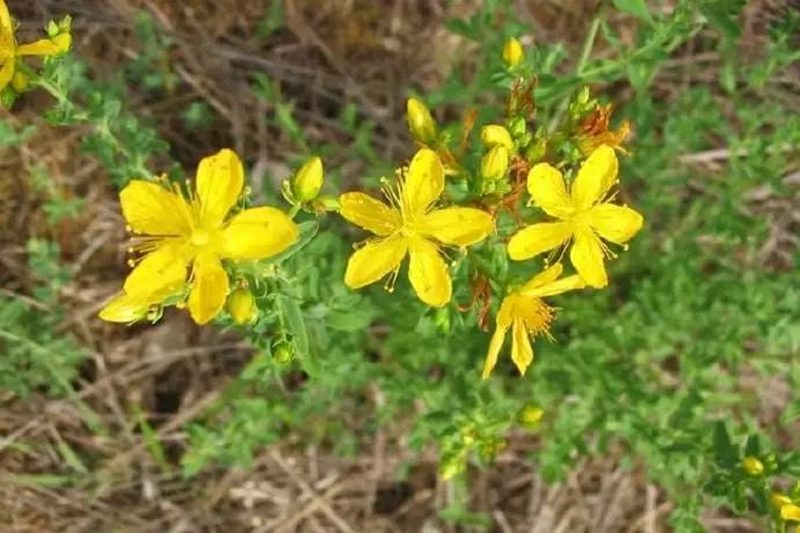
St. John’s Wort (Hypericum perforatum) is widely recognized for its mood-supporting properties. It may help alleviate depression-like symptoms during withdrawal, which often trigger relapse. Some studies indicate it reduces cravings and supports quitting efforts, though results are mixed. Systematic reviews note potential, especially for St. John’s Wort and mixed blends, though more research is needed. You can use it as tea, capsules, or tinctures with a standard dose of 300 mg three times daily.
Licorice Root

Liquorice is a good choice. It has a similar effect on the brain/neuro receptors. It soothes the throat irritated by smoking, curbs sweet cravings (which spike during withdrawal), and provides a mild adrenal support. Its sweet flavor mimics the oral satisfaction of smoking. But liquorice should not be taken longer than six weeks. High doses or long-term use of glycyrrhizinic acid may cause potassium depletion, high blood pressure, edema and pseudoaldosteronism, a condition characterized by sensitivity to adrenal hormones.
Mullein

Mullein supports lung health by clearing mucus and soothing respiratory irritation from years of tobacco use. It’s often included in herbal smoking blends to ease the transition. Mullein can be drunk as tea or an extract capsule for detoxification support.
Kava

Kava is not only an anxiolytic, but it also helps alleviate some of your angst. There are positive results in recent research, which suggests that it may help with smoking cessation, and also possibly offset some of the cancer risk. Kavalactones, the main active compounds in kava, may also inhibit nicotinic acetylcholine receptors (nAChRs), which are the same receptors targeted by nicotine.
Other Notable Herbs
- Holy Basil: Premier adaptogen, helps the body adapt to physical and emotional stress.
- Valerian Root: Calms anxiety and improves sleep disrupted by withdrawal.
- Passionflower: Excellent for calming racing thoughts, nervousness.
- Lemon Balm: Managing daytime irritability and improving focus may mildly curb cravings.
- Panax ginseng: Helps the body cope with stress and fatigue common in quitting.
How to Integrate Herbs Safely and Effectively
Clinical studies on herbal teas and polyherbal tablets report higher quit rates and reduced withdrawal compared to placebo. Firstly, always consult with your healthcare provider or a qualified herbalist before starting any new herbal regimen, especially if you have pre-existing health conditions or are on medication (e.g., blood thinners, SSRIs).
Herbs often work best when taken consistently over time, building their supportive effect. You can choose organic, reputable brands that use standardized extracts or high-quality dried herbs and begin with one herb at recommended doses to see how your body responds. Or choose teas for gentle support, tinctures for potency, or capsules for convenience.
Precautions When Using Herbs for Quitting Tobacco
If you are taking antidepressant drugs, avoid St. John’s Wort, which may interact with medications. Lobelia and high-dose licorice require caution. People with pregnant, breastfeeding, or on blood thinners should avoid the herb. Not all herbs suit everyone—cats and dogs shouldn’t access them, but that’s unrelated here! Seek medical advice for severe withdrawal or co-existing conditions.
Conclusion
Quitting smoking is one of the most empowering decisions you can make for your health. While the path has its challenges, you don’t have to walk it alone. By thoughtfully incorporating herbs like St. John’s Wort, lobelia, licorice root, lemon balm, kava and mullein offer promising natural support for managing tobacco cravings and withdrawal. Remember, every craving passed is a victory. Use these gifts from nature with determination and professional guidance for the best chance at lasting success. Disclaimer: This article is for informational purposes only and is not intended as medical advice. Please consult a healthcare professional before making any changes to your health regimen.
Reference: https://pmc.ncbi.nlm.nih.gov/articles/PMC7706486/
If you are looking for suppliers of the standard extracts from these plants or bulk kavalactone, please contact us.