
There’s nothing more frustrating than a persistent cough. While there are numerous over-the-counter solutions, many people are turning back to the ancient wisdom of herbal remedies. Herbal cough syrups have been around for centuries, used by folks from ancient healers to modern-day moms. They’re appealing because they’re natural, often cheaper than over-the-counter stuff, and no artificial colors or mystery ingredients here. Have you reached for that bottle of store-bought syrup only to wonder what’s really in it? In this article, we’ll dive deep into the science and tradition behind the most common and effective botanicals used in formulations worldwide.
Popular Herbs That Star in Cough Syrups
Each one brings its own flavor and benefit to the mix; some coat your throat with a soft, soothing layer, and some stimulate the lungs to move out mucus. A few even fight off the bacteria and viruses trying to settle in.
Ivy Leaf (Hedera helix)

A cornerstone of European phytotherapy, ivy leaf is a potent expectorant and antispasmodic. Its saponins work by helping to thin sticky bronchial mucus, making it easier to cough up, while also relaxing the bronchial muscles. This dual action is highly effective for stubborn, productive coughs, especially in children.
Thyme

This common kitchen herb is a powerful medicinal agent; it’s a real hero for coughs. This little leafy herb contains thymol and carvacrol, compounds with strong antimicrobial and antioxidant properties. It acts as an expectorant by stimulating the cilia in the airways and helping to break up congestion. It’s also an antispasmodic, helping to reduce violent coughing fits and helping to zap bacteria and viruses that might be causing your cough. People have used thyme for ages to ease bronchitis or that dry, nagging cough.
Licorice Root

Licorice root is a staple in Traditional Chinese Medicine. It is both an expectorant, helping to clear phlegm, and a demulcent, helping reduce swelling and making it easier to cough up mucus without all the drama. Its compound, glycyrrhizin, gives it anti-inflammatory and immune-supporting properties. Caution: Long-term or high-dose use is not recommended as it can affect blood pressure.
Elderberry
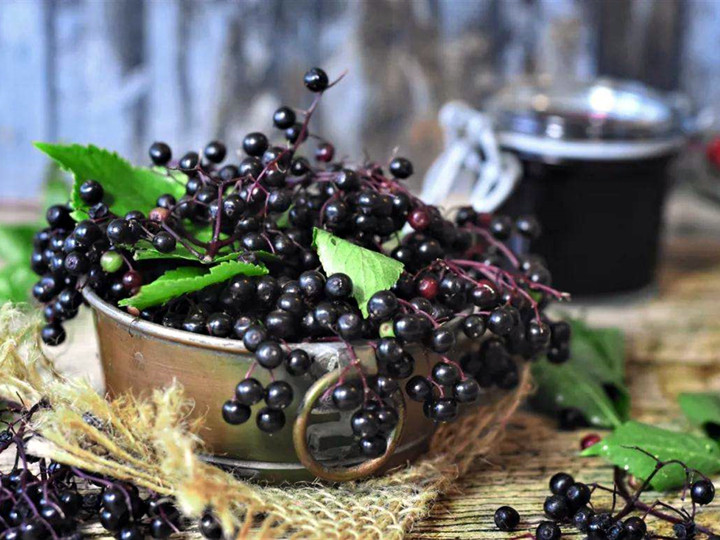
Elderberries are like the superheroes of the berry world, especially when it comes to colds and flu. These dark purple gems are loaded with antioxidants that support your body’s defenses. In cough syrups, they help shorten the duration of your symptoms and make that cough less intense. Fresh or dried, they infuse syrups with a tart, fruity flavor that’s downright delicious when sweetened.
Ginger
Ginger helps the lungs loosen up mucus in the lungs, making it easier to cough out. Its spicy kick warms you from the inside out, breaking up congestion and soothing sore throats. Perfect for those productive coughs where you need to get things moving.
Marshmallow Root

Marshmallow root is one of nature’s most effective soothers for a raw, irritated throat. It’s rich in a slippery substance called mucilage, which coats the throat like a protective film, providing immediate relief from scratchiness and dryness. Herbalists love it for its mild taste, making it ideal for kids or anyone who prefers subtlety in their remedies.
There are other herbals that can be used for cough syrup formulations, like peppermint for its cooling menthol effect, which opens up your airways, and fennel seeds that help expel mucus with their gentle, licorice-like flavor. Mixing a few of these creates a balanced formula tailored to your needs—whether it’s a dry tickle or a chesty rumble.
Conclusion
Herbs have been trusted for centuries to quiet coughs and support respiratory health. With their soothing textures, antiviral actions, and warming effects, they create a cough syrup that works naturally with the body. Now, more people are choosing herbal remedies, pushing people and companies to improve extraction methods and create cleaner formulas. As science continues to study these plants, we’ll see even more effective herbal blends in stores.
Safety Precautions: If your cough sticks around longer than a week, or comes with fever and shortness of breath? That’s when you put down the herbs and pick up the phone to your doc. Herbs are allies, not stand-ins for professional care. As always, consult with a healthcare professional—especially if you are pregnant, nursing, on medication, or treating a child—before starting any new herbal regimen.