
In the last article, we introduced “What’s Verbascoside”. As we know, it is also known as Acteoside or Kusaginin, is one of the most powerful free radical scavengers exhibiting a wide biological activity. Herbs that contain verbascoside are generally used for their antioxidant and anti-inflammatory properties. This substance is considered to have little cellular toxicity and no herb-drug interactions. This compound is also a significant biological constituent that plays a crucial role in the metabolism of various other compounds. It has been shown to possess antioxidant properties and has a substantial impact on hormonal balance. There are many different types of plants containing verbascoside, such as Cistanche tubulosa, Rehmannia Glutinosa, Osmanthus Fragrans Flower, and Lemon Verbena. Some of these plants are effective for treating the same disorders as prescription medications.
Natural Sources of Verbascoside
Golden Crownbeard
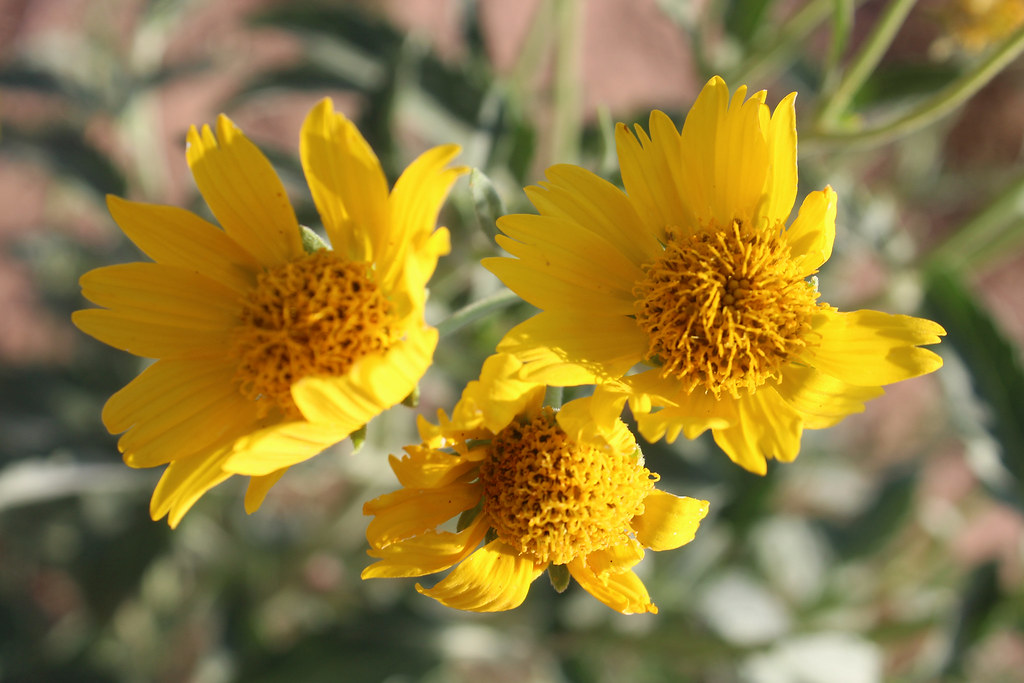
Golden Crownbeard (Verbesina encelioides) is a daisy-like flower herb native to the Americas. It is a veritable treasure trove of this valuable compound, particularly in its leaves and flowers. Historically recognized by indigenous peoples for its medicinal properties, from wound healing to anti-inflammatory applications, Verbesina encelioides stands as a testament to nature’s potent pharmacy. Its exceptionally high concentration of verbascoside makes it a prime candidate for extraction, offering a concentrated dose of its beneficial effects.
Olive Tree Leaves
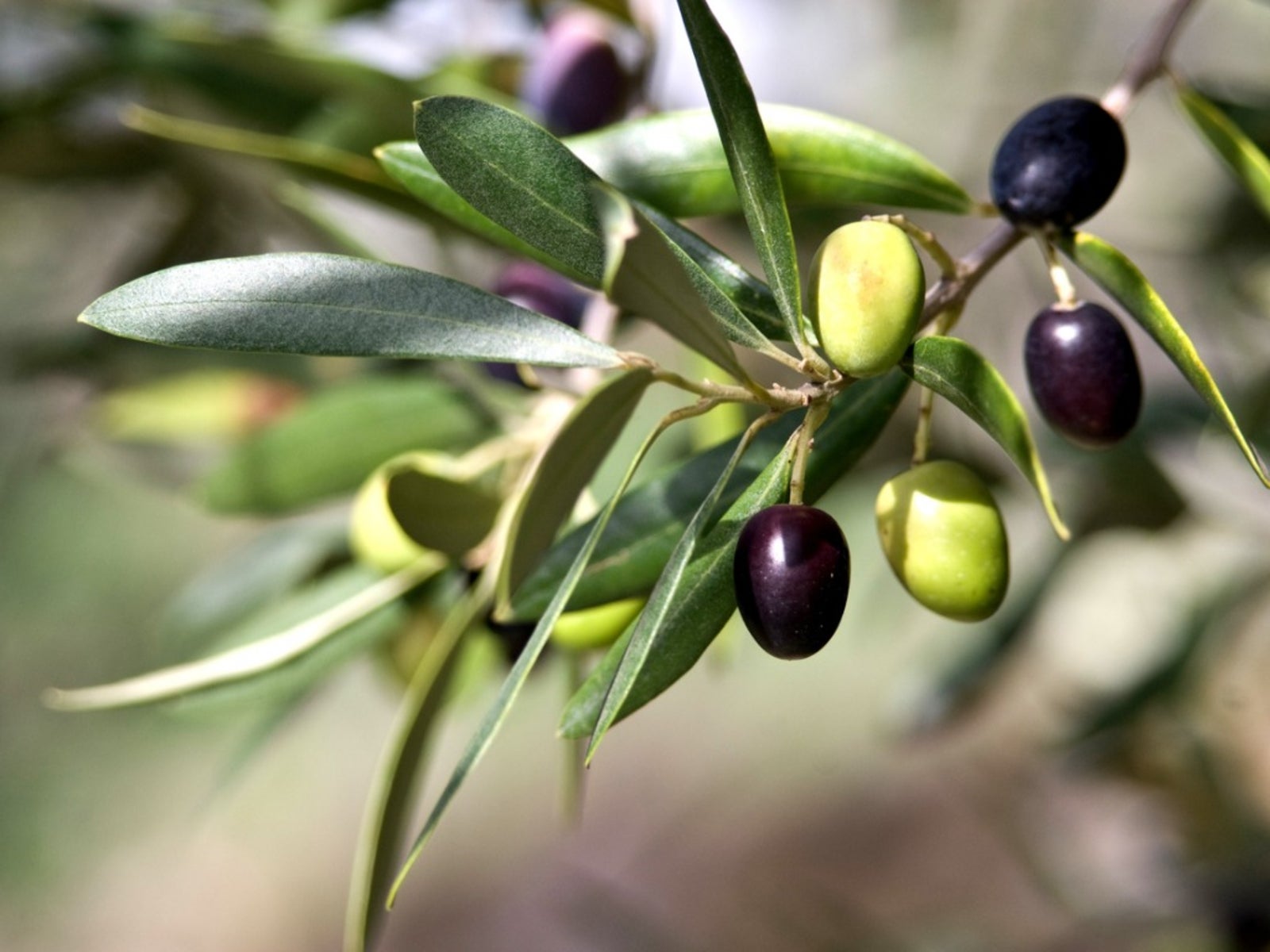
Olive Tree (Olea europaea) is native to the Mediterranean and cultivated on a massive scale worldwide for olive oil production. The leaves are a significant source of beneficial polyphenols, including a substantial amount of verbascoside. Olive leaf extract (OLE) has become a ubiquitous supplement, lauded for its antioxidant, cardiovascular support, and antimicrobial benefits. The presence of verbascoside is integral to these actions, making it a cornerstone of OLE’s therapeutic profile and a crucial ingredient in many health formulations.
Cistanche Tubulosa

In the realm of Traditional Chinese Medicine (TCM), Cistanche Tubulosa stand out for their significant verbascoside content and long-standing medicinal use. This parasitic desert plant is a true marvel. Renowned in TCM as “Rou Cong Rong,” its fleshy root is renowned for its exceptionally high concentration of verbascoside (along with echinacoside, which is closely related). This makes it an incredibly efficient source for isolating and standardizing verbascoside. These compounds are largely responsible for Cistanche’s reputation in strengthening kidney yang, enhancing sexual function, boosting energy levels, and offering neuroprotective benefits.
Rehmannia Glutinosa

Rehmannia Glutinosa, known as “Di Huang,” is primarily recognized for its Yin and blood-nourishing properties in TCM. While it contains a spectrum of active compounds, including catalpol, verbascoside is also present, contributing to its overall antioxidant and anti-inflammatory effects. Its inclusion in extracts adds a layer of broad-spectrum benefit, complementing its primary roles in supporting energy, blood health, and overall vitality.
Osmanthus Fragrans Flower
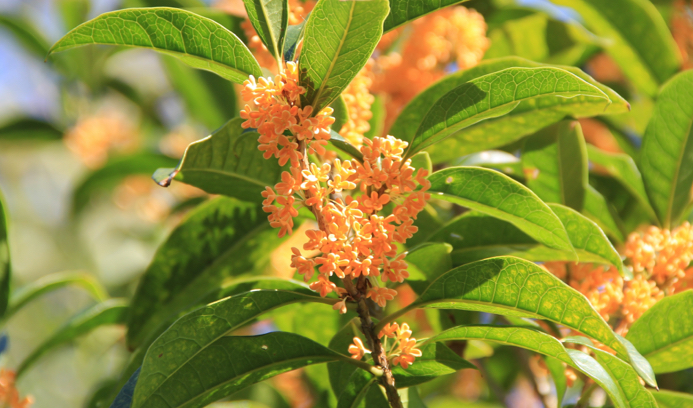
While globally cherished for its exquisite fragrance, the flowers of the Osmanthus shrub are also a source of verbascoside. In TCM, these aromatic blossoms are used to dispel cold and promote circulation. Their inclusion in extracts adds a unique aromatic dimension alongside their antioxidant and anti-inflammatory contributions, potentially benefiting respiratory health and general well-being.
Lemon Verbena
This South American native is celebrated for its intensely lemony aroma, making it a favorite in culinary and aromatic applications. However, its leaves are also a significant source of verbascoside, contributing to its well-documented antioxidant, anti-inflammatory, and calming properties. Extracts from Lemon verbena are sought after for their ability to aid digestion, reduce stress, and promote a sense of tranquility.
Here are the verbascoside contents and extraction methods of some plants:
| Herbs | Solvent | Solid/liquid(g/ml) | Extraction frequency | Extraction time, min | Extraction ratio,% |
| Tubulosa cistanche | 70% Ethanol | 1:10 | 1 | 90 | 0.278 |
| Pogostemon cablin | Water | 1:50 | 2 | 75 | 0.420 |
| Rehmannia | 38% Ethanol | 1.0:19.3 | 1 | 60 | 0.960 |
| Callicarpa formosana | 60% Ethanol | 1:25 | 1 | 60 | 0.705 |
| Lemon verbena | 60% Ethanol | 1:15 | 3 | 120 | 1.130 |
| Sesame flower | 90% Ethanol | 1:27 | 1 | 240 | 0.760 |
Verbascoside is effective in the treatment of depression; it is effective in reducing stress and anxiety, having a calming effect on the mind and nervous system. In addition, it has been found to affect the hormone balance in the body. Besides its antioxidant properties, verbascoside is also known to reduce a person’s blood sugar levels. Researchers have discovered that this component is useful in reducing anxiety and relieving symptoms of depression.
The verbascoside is also believed to be a potent antioxidant and can be used for skincare products. A study published in the Journal of Botanicals in 2002 highlighted the antioxidant activity of this herb. As a herbal extract manufacturer, our commitment lies in meticulously sourcing these remarkable plants and employing sophisticated extraction techniques to capture their inherent goodness. We supplied verbascoside powder from the Cistanche tubulosa, Rehmannia Glutinosa and Osmanthus Fragrans Flower. Each plant contributes not only verbascoside but also a synergistic blend of other beneficial compounds, offering multifaceted support for health and vitality.