
In Traditional Chinese Medicine, there’s a root that practitioners have relied on for centuries as a gentle yet powerful tonic — often reaching for it when ginseng was too strong or too expensive. That root is Codonopsis pilosula, commonly known as Dang Shen.
While ginseng gets most of the spotlight in Western wellness circles, Dang Shen has quietly built a reputation as an adaptogen, immune modulator, and digestive healer in its own right. And now, a growing body of modern research is starting to explain why this humble root works so well. Whether you’re a supplement formulator, a health brand buyer, or just someone curious about functional botanicals, here’s what makes Codonopsis pilosula worth knowing about.
What Is Codonopsis Pilosula?
Codonopsis, also known as Dangshen, is the dry root of the flowering plant radix codonopsis pilosula in the Campanulaceae family. Codonopsis pilosula is a perennial herb native to China, Japan, Korea, and parts of Siberia. Its dried root has been used in TCM for over 2,000 years, primarily as a qi tonic — meaning it was used to support energy, digestion, and overall vitality without the stimulating intensity of ginseng.
So far, more than 230 compounds have been isolated and identified from Codonopsis pilosula, including alkaloids, alkynes, terpenoids, flavonoids, lignin, steroids and sugars. Studies have found that codonopsis pilosula root offers various benefits such as protecting nerves, protecting the liver, fighting tumor, oxidation and inflammation and anti-stress. These bioactive compounds include:
- Polysaccharides (the primary immunomodulatory agents)
- Saponins (supporting cardiovascular and metabolic health)
- Flavonoids (potent antioxidants)
- Inulin-type fructans (prebiotic fibers supporting gut health)
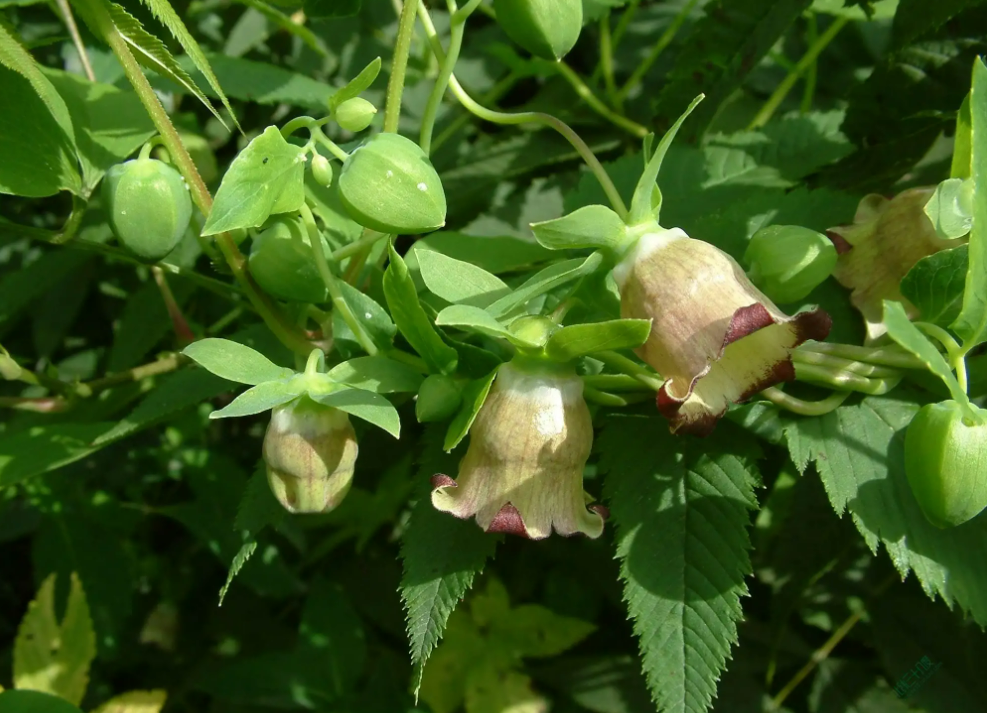
Benefits of Codonopsis Pilosula Extract
A Natural Antioxidant
Oxidative stress — the cellular damage caused by free radicals — is linked to aging, chronic inflammation, and a wide range of degenerative diseases. Codonopsis pilosula is rich in phenolic compounds and flavonoids that demonstrate significant free radical scavenging activity in laboratory studies. Researchers have confirmed antioxidant effects across multiple plant extracts (water, ethanol, and methanol extracts all showed measurable activity), making this a versatile ingredient for anti-aging, sports nutrition, and general wellness formulations.
Studies have found that Codonopsis pilosula extract can protect nerve cells, improve learning and memory ability and relieve symptoms of Alzheimer’s disease (AD) and other neuroprotective effects. The water extract and Lancemaside A could up-regulate the activity of protein phosphatase 2 (PP2A), reduce the phosphorylation level of Tau protein, repair damaged neurons, and inhibit the activity of AChE. The total alkaloids of Codonopsis pilopilodii can enhance neurite growth and increase the phosphorylation of mitogen-activated protein kinase in PC12 cells. Total saponins of Codonax officinalis can improve the survival rate of cerebral astrocytes after ischemia-reperfusion injury in rats. Other studies have shown that codonopsis pilosula polysaccharide can prevent the hyperphosphorylation of AD-like Tau protein mainly by activating PP2A.
Blood Sugar & Lipid Regulation
Codonopsis pilosula extract can regulate blood sugar and blood lipid. The water extract of Codonopsis can reduce blood glucose, inhibit aldose reductase activity and delay the progression of diabetes. The total saponins of Codonopsis pilosula can reduce the contents of total cholesterol, triglyceride and low-density lipoprotein cholesterol in the serum of hyperlipidemia rats, and increase the contents of NO and high-density lipoprotein cholesterol. Codonopsis pilosula polysaccharide CLPS alleviates insulin resistance induced by a high fat/high sugar diet through antioxidant stress. Neutral polysaccharide from Codonopsis pilosula can significantly improve insulin secretion of INS-1 cells and reduce blood glucose concentration of type 2 diabetic mice.
Immune Modulation
Unlike stimulants that force the immune system into overdrive, Codonopsis acts as an immunomodulator — meaning it helps balance the immune response, which is exactly what the body needs.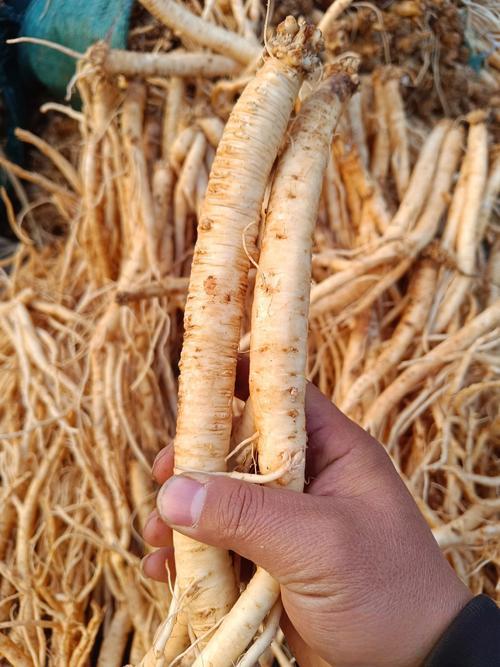
The methanol extract of Codonopsis pilosula can regulate the immune response mediated by macrophages and promote anti-inflammatory activity. It was proven that the methanol extract can improve the immune function induced by cyclophosphamide in mice. In addition, the total saponins of Codonopsis can enhance the regulation of cellular immunity, humoral immunity and non-specific immunity after the preparation of nano-emulsion. As a natural immunomodulator, codonopsis polysaccharides can maintain T cell balance and regulate T cell circulation in mice, weaken sepsis caused by cecal ligation and puncture in mice, and promote the phagocytosis of alveolar macrophages damaged by chronic obstructive pulmonary disease and improve inflammation. Selenization of codonopsis pilosula polysaccharide can improve the phagocytic index of peritoneal macrophages and induce the secretion of TNF-α and IL-6. Exopolysaccharides from Codonopsis pilosula can activate macrophages and inhibit the proliferation and migration of cancer cells. Rcap-1 and RCAP-2, two pectin polysaccharides of Codonopsis pilosula, also had significant immunomodulatory effects.
Digestive System Support
This is where Codonopsis really shines in the TCM tradition, and the science is catching up:
The mouse experiment proves that Codonopsis pilosula can treat peptic ulcers and promote defecation. Superfine powder of Codonopsis pilosula can protect gastric mucosa of rats with gastric ulcer. The extracts of Codon flavone can promote the cell migration of small intestinal epithelial cells, reverse the inhibition of cell migration caused by DFMO or 4-AP, and increase the content of arginine in cells, which may be related to polyamine signaling pathway. Codonyl can increase the content of prostaglandin (PG), resist the acid-secreting effect of gastrin (Gas), stimulate the synthesis and release of epidermal growth factor in gastric mucosa, and have a certain protective effect on gastric mucosa injury caused by ethanol. Codonopsis inulin fructan can improve gastrointestinal function by changing the composition and metabolism of intestinal microbiota, which is a potential prebiotics and a potential component in the treatment of acute gastric ulcer.
Cardiovascular & Blood Circulation
The extract of Codonopsis can treat heart failure, regulate the growth and development of blood cells, enhance hematopoietic function and inhibit platelet aggregation. Codonopsis pilosula can reduce the damage of insulin-like growth factor II receptor pathway and apoptosis of cardiomyocytes. It can reduce the left ventricular end-diastolic pressure, inhibit the increase of MDA, LDH and CK, and enhance the activities of SOD, GSH-Px, Na+-K+-ATP and Ca2+-ATP, and has a protective effect on myocardial ischemia/reperfusion injury. Meanwhile, codonax officinalis extract can increase the maximum rate of left ventricular pressure rise/fall, improve the symptoms of chronic heart failure rats, and delay the occurrence and development of chronic heart failure. Dangshen granules can improve the ejection fraction, left ventricular short axis systole rate, calcium transient peak value, and shorten the time of calcium transient regression in the treatment of heart failure in mice.
Antibacterial, Antiviral & Antitumor Potential
While these areas require more clinical research, the in vitro and animal data are compelling:
Modern research has found that Codonopsis pilosula has antibacterial and antiviral effects. In vitro antibacterial experiments showed that codonopsis ethanol extract had significant inhibitory effect on staphylococcus aureus, Bacillus subtilis, Bacillus anthracis, Escherichia coli, Salmonella typhi and other common bacteria. Codonopsis polysaccharide can reduce IFN-β expression level and inhibit duck hepatitis A virus virulence.
The water extract of Codonopsis pilosula could promote the apoptosis of HL-60 cells. Codonopsis saponins can inhibit the proliferation of HepG2 cells and SMMC-7721 cells. CPP1a and CPP1c can activate caspase-3 and induce apoptosis of HepG2 cells by up-regulating the ratio of Bax /Bcl-2. In addition, it also has certain cytotoxicity to Hela cells of cervical cancer and MKN45 cells of gastric cancer. Codonopsis pectin polysaccharide has obvious cytotoxicity to human lung adenocarcinoma A549 cells, while Codonopsis acid polysaccharide is a potential candidate compound for preventing tumor metastasis, which can inhibit the invasion, migration and adhesion of human ovarian epithelial tumor HO-8910 cells.
Important note: These antitumor findings are preclinical. They support the use of Codonopsis as a complementary functional ingredient, not a treatment for cancer.
Conclusion
Codonopsis pilosula — once overlooked outside of TCM circles — is earning its place in the modern supplement and functional food industry. The science behind its adaptogenic, immunomodulatory, metabolic, and digestive benefits is substantial, even if many claims still need to move from the lab to clinical trials.
Frequently Asked Questions (FAQ)
Q: Is Codonopsis pilosula the same as ginseng?
A: No. While both are adaptogens used in TCM, they come from different plant families. Codonopsis (Dang Shen) is gentler and doesn’t contain the ginsenosides found in Panax ginseng. It’s often used as a more affordable substitute for ginseng in TCM formulas.
Q: What are the active compounds in Codonopsis pilosula extract?
A: The primary bioactive compounds include polysaccharides, saponins, flavonoids, and inulin-type fructans. Standardized extracts are typically titrated for polysaccharide content or total saponin content depending on the target application.
Q: Is Codonopsis extract safe?
A: Codonopsis pilosula has a long history of culinary and medicinal use with a generally recognized safety profile. However, as with any supplement ingredient, it’s important to source from a reputable supplier, follow recommended usage levels, and consult a healthcare professional if pregnant, nursing, or taking medication.
Q: What applications is Codonopsis extract used in?
A: Common applications include: adaptogen and energy formulas, immune support supplements, gut health and digestive products, sports nutrition and recovery formulas, blood sugar management products, cardiovascular health formulations, and functional foods and beverages.
Looking for a Reliable Codonopsis Pilosula Extract Supplier? At Xi’an Rainbow Biotech Co., Ltd, we supply high-quality Codonopsis pilosula extract to supplement manufacturers, functional food brands, and cosmetic formulators worldwide. Request a free sample or get a custom quote today.